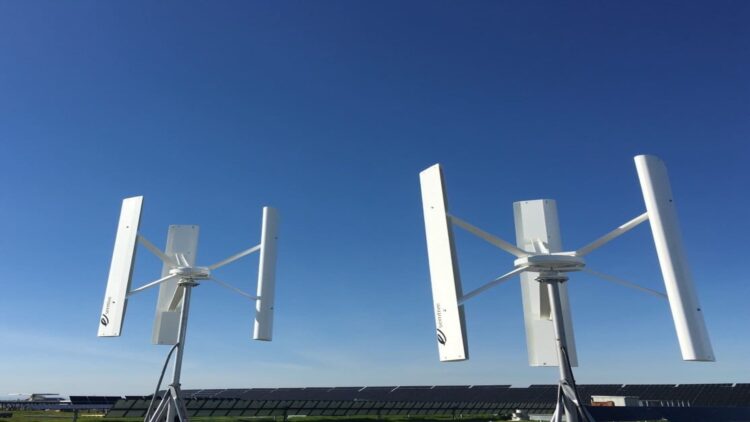
As renewable energy becomes more popular, homeowners often face an important question: should they choose wind energy or solar energy? Both options offer significant benefits, but the best choice depends on individual circumstances. In this article, DAVID ANALYX LLC compares these two energy solutions to help you make an informed decision.
Overview of Solar Energy
Solar energy systems use photovoltaic panels to convert sunlight into electricity. They are widely used due to their simplicity and availability.
Overview of Wind Energy
Wind energy systems use turbines to generate electricity from moving air. They are particularly effective in areas with consistent wind patterns.
Key Differences
1. Energy Source Availability
- Solar: Requires sunlight (daytime only)
- Wind: Can generate power day and night
2. Efficiency
- Solar panels depend on weather and daylight hours
- Wind turbines can produce energy continuously in windy areas
3. Space Requirements
- Solar panels are typically installed on rooftops
- Wind turbines require open space and height
4. Cost Considerations
Both systems involve upfront costs, but long-term savings can be substantial.
When Wind Energy Is the Better Choice
Wind energy is ideal for:
- Rural or suburban areas
- Locations with consistent wind speeds
- Homeowners seeking 24/7 energy generation
Hybrid Systems: The Best of Both Worlds
In many cases, combining wind and solar systems provides optimal results. Wind turbines can generate power at night or during cloudy days, while solar panels produce energy during sunny hours.
How DAVID ANALYX LLC Can Help
Choosing the right energy solution can be complex. DAVID ANALYX LLC offers expert consultation to evaluate your property and recommend the most effective system.
Services include:
- Energy usage analysis
- Site assessment
- Customized system design
- Professional installation
The Future of Home Energy
The future lies in diversified and sustainable energy systems. By adopting renewable energy, homeowners can reduce costs, increase independence, and contribute to environmental protection.